
Decoupling Matting
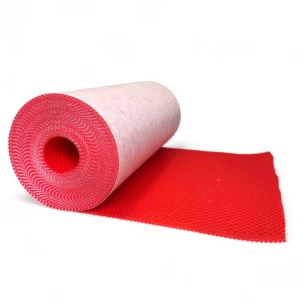
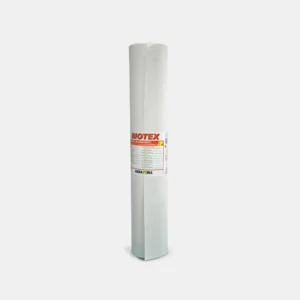
Decoupling Matting for Tiles – Protect Your Floors & Prevent Cracks
Decoupling matting plays a vital role in creating long-lasting, crack-free, and stable tiled floors. Whether you’re working on a domestic renovation or a high-traffic commercial project, the right uncoupling system ensures tiles remain secure, level, and protected from substrate movement. At Tiles of Ringwood, we offer a high-quality collection of decoupling mats designed for superior adhesion, enhanced durability, and effortless installation.
What Is Decoupling Matting?
Decoupling matting (also known as uncoupling membrane or anti-fracture matting) is a specially engineered layer installed between the subfloor and the tiles. It absorbs lateral movement, prevents cracks transferring to tiles, and improves load distribution—ensuring your flooring stays strong and flawless for years.
It is especially beneficial for:
- Wooden floors
- Concrete floors with minor movement
- Underfloor heating systems
- Renovation projects with uneven substrates
Why Choose Decoupling Matting for Your Tiling Project?
1. Prevents Tile Cracking
A decoupling membrane isolates tile movement from the subfloor, protecting tiles and grout lines from cracking caused by stress, thermal expansion, or structural shifts.
2. Perfect for Underfloor Heating
It allows the floor to expand and contract naturally without damaging your tiles—essential for electric or water-based underfloor heating systems.
3. Enhances Adhesion & Longevity
Decoupling mats provide an ideal bonding layer, improving adhesive performance and extending the lifespan of your tiled area.
4. Suitable for Multiple Substrates
Compatible with:
- Cement floors
- Timber floors
- Screeds
- Plywood
- Anhydrite floors
5. Fast, Clean, and Easy to Install
Lightweight, roll-based mats make installation quicker and cleaner compared to traditional flooring preparation methods.
Features of Our Decoupling Matting at Tiles of Ringwood
Our selection includes professional-grade matting that offers:
- High tensile strength for maximum tile protection
- Superior flexibility to absorb structural movement
- Moisture-resistant design suitable for wet rooms
- Lightweight construction for easy handling
- Excellent adhesion for both wall and floor tiles
- Compatibility with heated floors
- Reduced installation time—cut, roll, and install effortlessly
Whether you’re a DIY homeowner or a professional tiler, our decoupling systems ensure a solid, stable, and reliable tiled finish.
Where to Use Decoupling Matting
This product is ideal for:
- Bathrooms
- Kitchens
- Hallways
- Conservatories
- Commercial spaces
- Wet rooms
- Heated flooring zones
No matter the project size, decoupling matting provides unmatched protection and long-term performance.
Shop High-Quality Decoupling Matting at Tiles of Ringwood
At Tiles of Ringwood, we supply trusted, industry-approved decoupling mats designed to support premium installations. Shop online for fast delivery across the UK, or visit our showroom for expert advice and personalised recommendations.
FAQs
1. What does decoupling matting do?
It prevents cracks from forming in tiles by absorbing movement from the subfloor and separating it from the tile layer.
2. Do I really need decoupling matting?
Yes—especially if your subfloor is wooden, uneven, or includes underfloor heating. It increases the lifespan and stability of tiled floors.
3. Can decoupling matting be used with underfloor heating?
Absolutely. It offers the perfect flexible layer to allow thermal expansion without causing tile damage.
4. Is decoupling matting waterproof?
Most uncoupling membranes have moisture-resistant properties, but some may require additional tanking for wet rooms.
5. How thick is decoupling matting?
Standard decoupling mats are usually between 3–5mm, depending on the brand and product type.
6. Can I install tiles directly onto plywood without decoupling matting?
It is not recommended, as plywood expands and contracts. Using a decoupling mat ensures a stable, long-lasting installation.
7. Is decoupling matting suitable for large format tiles?
Yes. In fact, it’s highly recommended because large tiles are more prone to cracking from movement.
8. How do you fix decoupling matting to the floor?
It is typically adhered using a flexible tile adhesive, then pressed firmly into place before tiling.
9. Can decoupling matting be used on walls?
Some types can, especially for strengthening and stabilising substrates, but always check product specifications.
10. Does decoupling matting add height to the floor?
Only minimally. With a profile of a few millimetres, it provides protection without significantly raising floor height.