After months of grey skies, relentless rain, and the occasional named storm battering your garden patio, spring finally arrives in the UK. The daffodils emerge, the evenings stretch longer, and suddenly that home improvement project you’ve been putting off feels possible again.
If you’ve been staring at cracked kitchen tiles or planning that dream outdoor patio renovation, timing matters more than you might think. While the British weather is famously unpredictable, spring offers a unique window of opportunity that winter simply cannot match. Here’s why March through May is the golden season for tiling projects across the UK—and why both homeowners and professional tilers mark it in their calendars.
Weather: Your Secret Weapon for Outdoor Success
Let’s face it: British winters are brutal on outdoor projects. The Met Office typically records 15-20 days of rain per month during winter, with temperatures hovering between 2-7°C. Try laying tiles in those conditions, and you’re fighting a losing battle against moisture, frost, and setting failures.
Spring changes the game entirely. Average UK temperatures rise to a more forgiving 8-15°C, with April and May delivering significantly more dry days. According to weather data, spring sees roughly 30% fewer rainy days compared to winter months in most UK regions. This isn’t just about comfort—it’s about chemistry.
Outdoor tiling projects, particularly patios, pathways, and exterior walls, demand dry conditions during the critical curing phase. Spring’s milder, drier weather means:
- Adhesives bond properly without moisture interference
- Grout cures evenly without frost damage
- No emergency tarpaulins required every afternoon
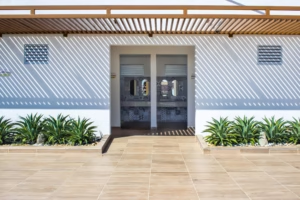
For homeowners, this translates to confidence. Book your project in spring, and you’re looking at completion well before the summer entertaining season begins. Imagine hosting that first barbecue of the year on your newly finished porcelain patio, rather than explaining to guests why there’s still a half-tiled mud patch where the decking used to be.
Professional tilers know this pattern intimately. “Spring is when we can finally work consistently outdoors,” explains many experienced contractors. “Winter jobs get interrupted constantly. Spring gives us the reliability to schedule properly and finish on time.”
The Science of Warmth: Why Materials Love Moderate Temperatures
Beyond the obvious benefit of not working in freezing rain, spring temperatures create ideal conditions for the materials themselves. This is where the technical advantages become impossible to ignore.
Grout and Adhesives Perform Better
Cement-based grouts and tile adhesives are temperamental substances. Their chemical curing process—known as hydration—slows dramatically below 10°C. In winter conditions, what should be a 24-hour initial set can stretch to 72 hours or more, leaving your tiles vulnerable to movement, moisture ingress, and staining.
Spring’s moderate warmth accelerates and stabilises this process. Most standard adhesives cure optimally between 15-25°C, making April and May perfect territory. Rapid-setting products become genuinely rapid rather than merely “eventually.”
For professionals, this efficiency is transformative. A job that takes four days in February might take two and a half in April. That means:
- More projects completed per month
- Happier clients with faster turnaround
- Better cash flow without weather delays
Homeowners benefit from reduced labour costs and faster project completion, but there’s a deeper advantage: predictability. When your tiler says “we’ll be done by Friday,” in spring, they usually mean it.
Expansion and Contraction Management
All building materials expand and contract with temperature fluctuations. In winter, the extreme cold causes tiles and substrates to contract. In summer heatwaves, they expand dramatically. Spring’s moderate, stable temperatures minimise these stresses during the critical installation period.
This stability is particularly crucial for:
- Large format tiles (more susceptible to thermal movement)
- Outdoor porcelain (dense and less flexible)
- Underfloor heating installations (where thermal cycling is already a factor)
Installing during spring’s equilibrium gives your tiles the best possible start in life, settled and bonded before the thermal stresses of summer and winter arrive.
Built to Last: The Longevity Factor
Here’s a truth that separates quality tiling from disappointing results: installations done in optimal conditions last significantly longer. Spring tiling isn’t just about convenience—it’s an investment in durability.
The Moisture Menace
Winter installations, even when technically possible, often trap moisture. Cold, damp substrates never fully dry before tiling begins. This residual moisture creates a cascade of problems:
- Efflorescence (white mineral deposits) blooming through grout lines
- Adhesive degradation as moisture interferes with chemical bonds
- Freeze-thaw damage when trapped water expands in cold snaps
Spring’s naturally drier conditions allow substrates to breathe and dry properly. Whether it’s a concrete screed, timber floor, or exterior wall, starting with a dry base is non-negotiable for longevity.
Professional tilers conduct moisture tests religiously in spring, knowing that favourable conditions mean their work will stand the test of time. “I’d rather turn down a winter job than warranty work that’s compromised from day one,” is a common sentiment among quality-conscious contractors.
Optimal Curing = Maximum Strength
Fully cured adhesive and grout are dramatically stronger than partially cured equivalents. Spring temperatures allow complete curing without the artificial interventions—tenting, heating, extended drying times—that winter demands.
For homeowners, this means:
- Grout lines that resist staining and cracking
- Tiles that stay firmly bonded through decades of use
- No callbacks or repairs in the first few years
For professionals, spring work builds reputation. A patio tiled in April that still looks pristine in October is worth more than any marketing campaign.
The Homeowner’s Perspective: Practical Planning
Beyond the technical benefits, spring makes sense for the rhythms of domestic life.
Summer Readiness: Complete your project by June, and you have the entire summer to enjoy it. Whether it’s a new en-suite for house guests, a kitchen refresh before the holiday cooking season, or that garden transformation, spring timing means you’re ready when it matters.
School Holiday Logistics: For families, spring term offers a window before the chaos of summer holidays. Tradespeople can work while children are at school, minimising disruption.
Market Timing: Planning to sell? Spring renovations complete in time for the peak property market of early summer. Fresh tiling in bathrooms and kitchens remains one of the highest-ROI improvements for home sellers.
Budget Flow: Many homeowners receive tax refunds or work bonuses in spring, providing the capital for home improvements without resorting to credit.
The Professional’s Perspective: Business Reality
For tiling contractors, spring represents the start of the earning year. Understanding their perspective helps homeowners secure the best service.
Capacity and Attention: Early spring bookings secure the best crews before the summer rush. Wait until July, and you’re competing with emergency repairs and last-minute holiday rental preparations.
Material Availability: Suppliers restock heavily for spring. Special orders arrive faster, and there’s less risk of that perfect tile being out of stock.
Working Conditions: Happy tradespeople do better work. Spring weather means less physical stress, better morale, and sharper attention to detail. It’s simple human nature.
Warranty Confidence: Reputable tilers know that spring installations have fewer failure risks. They’re more willing to offer robust warranties on work done in optimal conditions.
Making It Happen: Your Spring Tiling Checklist
Ready to take advantage of the season? Here’s how to proceed:
- Survey in late winter (February): Book consultations while contractors have availability
- Order materials by early March: Avoid spring supply chain pressures
- Schedule for April-May: Target the sweet spot of weather reliability
- Plan for British unpredictability: Even spring has rainy days—ensure your contractor has indoor alternatives if weather turns
Conclusion: Seize the Season
Spring in the UK is more than a meteorological curiosity—it’s a practical opportunity. The combination of drier weather, optimal material performance, and strategic timing creates conditions that simply don’t exist in other seasons.
For homeowners, spring tiling means faster completion, better durability, and summer-ready spaces. For professionals, it means efficient workflows, quality results, and satisfied clients.
At Tiles of Ringwood, we’ve guided thousands of UK homeowners through successful spring renovations. Our showrooms are fully stocked for the season, and our online store offers tiles to suit any style.
Don’t let another year pass staring at those tired tiles or that weather-worn patio. Spring is here. The conditions are right. And your transformed home is waiting.
Visit our Ringwood showroom or browse our collections online to start planning your spring tiling project today.
About the Author: Tiles of Ringwood has been supplying quality tiles and expert advice to homeowners and tradespeople across the UK for over 30 years. From porcelain pavers to mosaic masterpieces, we help you find the perfect finish for every space.
Glossary
Curing Phase – the hardening period when adhesives and grout develop full strength through chemical reactions. Temperature and moisture levels directly impact curing time and final durability.
Adhesive – a bonding substance that fixes tiles to surfaces, available as cement-based powders, ready-mixed pastes, or epoxy formulas. Choice depends on tile type, location, and substrate material.
Grout – a paste used to fill joints between tiles, preventing water penetration and stabilising the layout. Available as cement-based, epoxy, or premixed varieties in multiple colours.
Emergency Tarpaulins – temporary waterproof covers protecting ongoing work from unexpected rain. Essential for outdoor projects to prevent moisture damaging fresh installations.
Material Expansion – the increase in tile and substrate size when temperatures rise. Different materials expand at varying rates, potentially stressing installations.
Material Contraction – the decrease in material size when temperatures drop. Winter contraction can compromise adhesive bonds and create gaps in tiling.
Efflorescence – white mineral salt deposits appearing on grout when moisture evaporates. Indicates trapped moisture issues, common in poor weather installations.
Adhesive Degradation – the breakdown of bonding properties due to moisture, freezing, or chemical interference. Results in loose tiles and installation failure.
FAQ
Can I tile outdoors in winter if the weather looks dry?
We don’t recommend it. Even “dry” winter days bring cold temperatures that slow curing and risk frost damage. Spring offers more reliable conditions for lasting results.
How long should I wait before using a newly tiled floor?
Wait 24 hours before light foot traffic and 72 hours for heavy use. Full curing takes 28 days, so avoid harsh cleaning chemicals until then.
What’s the minimum temperature for tiling?
Most manufacturers specify 5°C minimum, but 10°C+ is ideal. Below this, adhesives and grout cure too slowly and may fail.
When exactly is “spring” for tiling purposes?
March through May offers the best window in the UK. April typically provides the most reliable combination of dry days and moderate temperatures.
What if it rains during my spring outdoor tiling project?
Professional tilers monitor forecasts and use emergency tarpaulins when needed. Brief showers won’t ruin work if properly covered, but persistent rain may pause progress.
How far in advance should I book a tiler for spring?
Book consultations in late February and aim to confirm March dates. Quality tilers fill April-May slots quickly.
Why does grout colour sometimes look uneven?
Uneven curing, excess moisture, or inconsistent mixing causes colour variation. Spring conditions help ensure uniform results.
What’s the difference between cement and epoxy grout?
Cement grout is affordable and standard for most jobs. Epoxy resists stains and chemicals better but costs more and requires expertise to apply.
Can I tile over existing tiles?
Sometimes, if the existing surface is sound, clean, and well-bonded. However, removing old tiles often produces better long-term results.
Is spring tiling more expensive than other seasons?
Not necessarily. While demand increases, efficient working conditions often reduce labour days. Winter “savings” frequently disappear due to weather delays and protective measures.
How do I prepare my home for a tiling project?
Clear the area of furniture, protect adjacent surfaces, and ensure adequate ventilation. Your tiler will specify any substrate preparation needed.
Do you offer supply-only options for DIY tilers?
Yes—visit our Ringwood showroom or browse online. We provide expert guidance on materials suitable for your specific project and skill level.
White powder appeared on my grout lines. What is it?
This is efflorescence—mineral salts brought to the surface by moisture. It often indicates installation in damp conditions and may require professional cleaning.
My tiles sound hollow when tapped. Is this a problem?
Hollow sounds suggest poor adhesive coverage or bond failure. Small areas can sometimes be injected with adhesive; widespread issues may need retiling.
How do I prevent outdoor tiles from becoming slippery?
Choose tiles with textured or anti-slip surfaces (rated R11 or higher). We stock porcelain specifically designed for outdoor UK conditions.